Movable Books to Novelty Prints
A Concise History of Beholding “Moving” Images
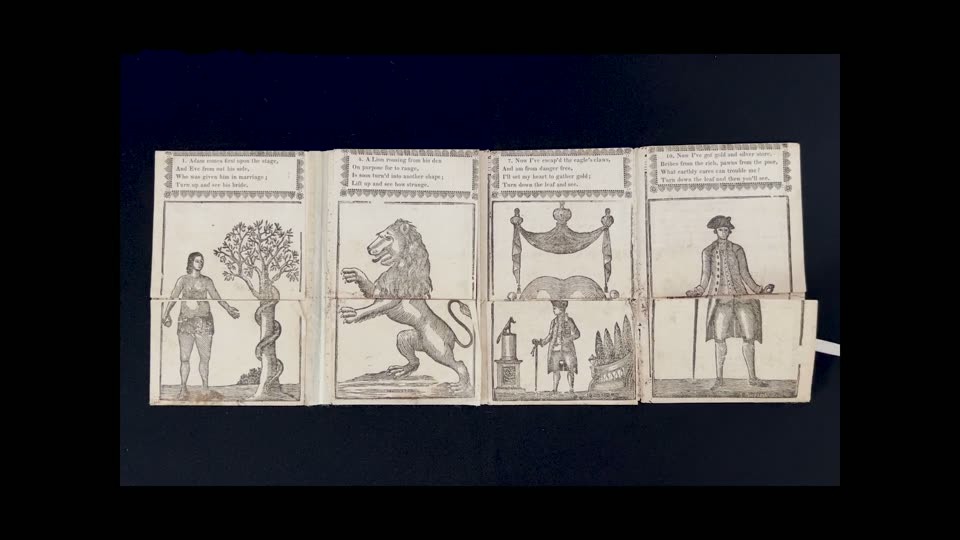
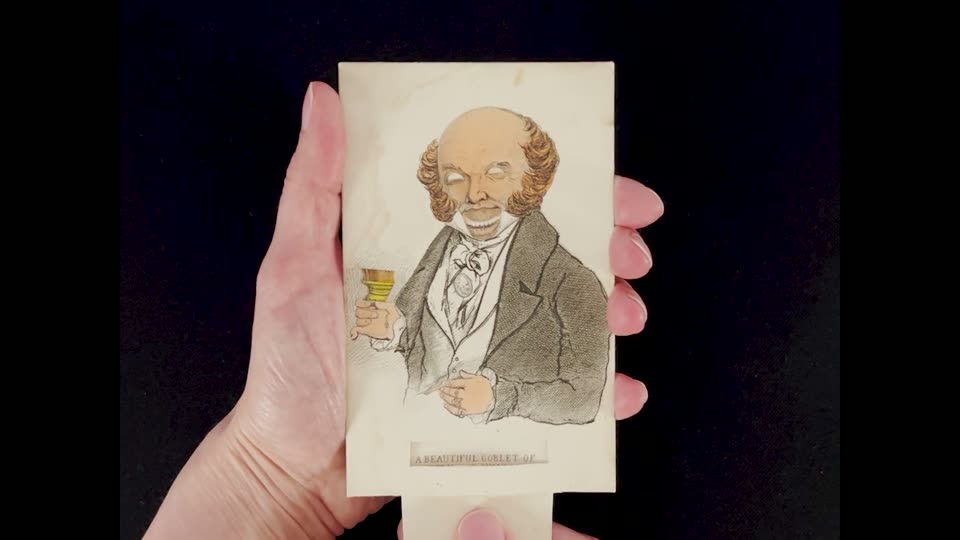
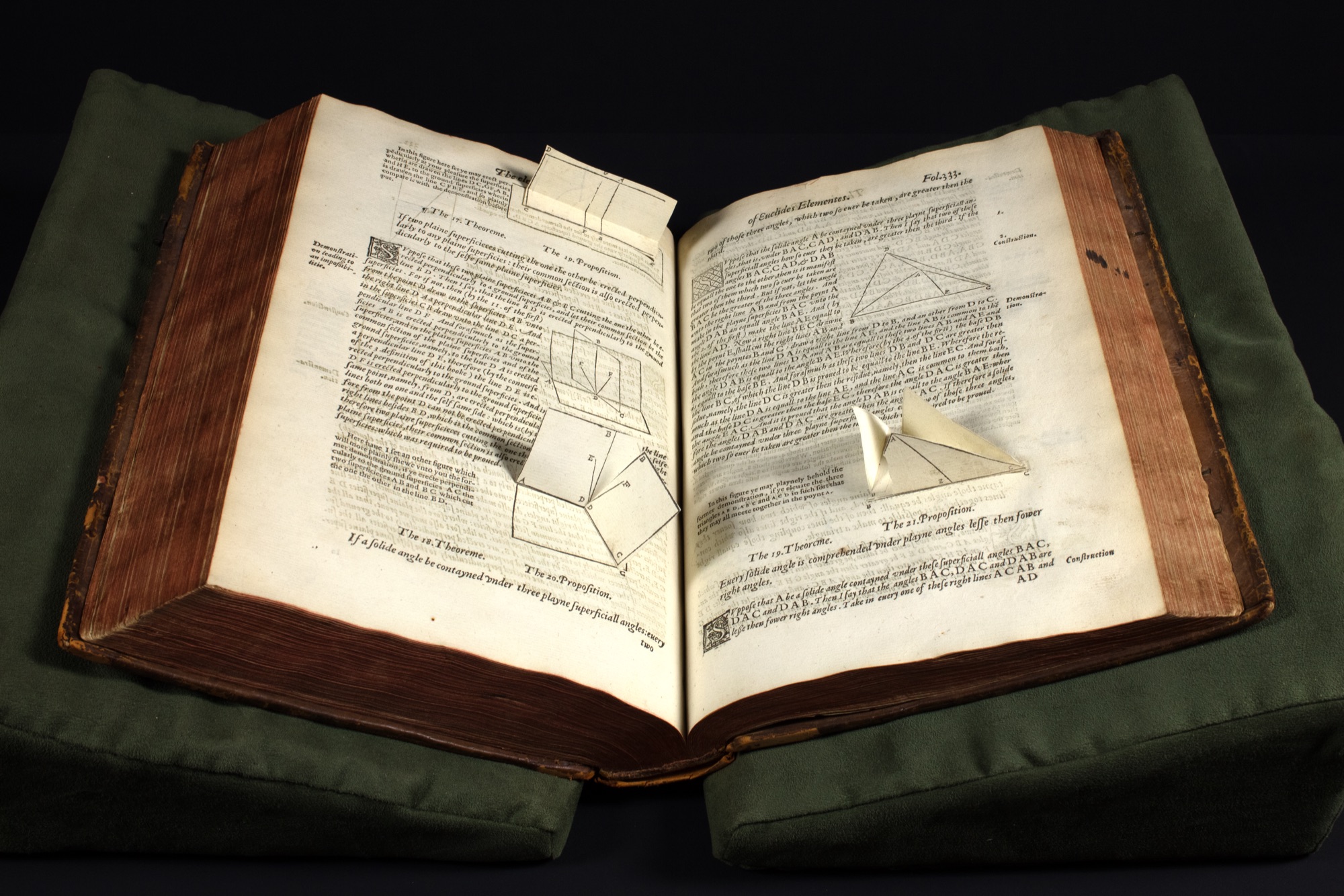
Visual and material culture, education, and propaganda comprise key and intertwining factors in the long history of materials that morph and transform through physical engagement. The history begins before the 12th century with movable parts in manuscript works that served as tools of memory and learning. By the 15th century and the printing of books, these instruments evolved into ones also devised for technical and entertainment purposes. Over the next 400 years, the genre grew to embody anti-clerical prints of churchmen that folded into devils, mechanical cards that satirized political leaders and royalty, and turn-up movable books providing a moral tale.
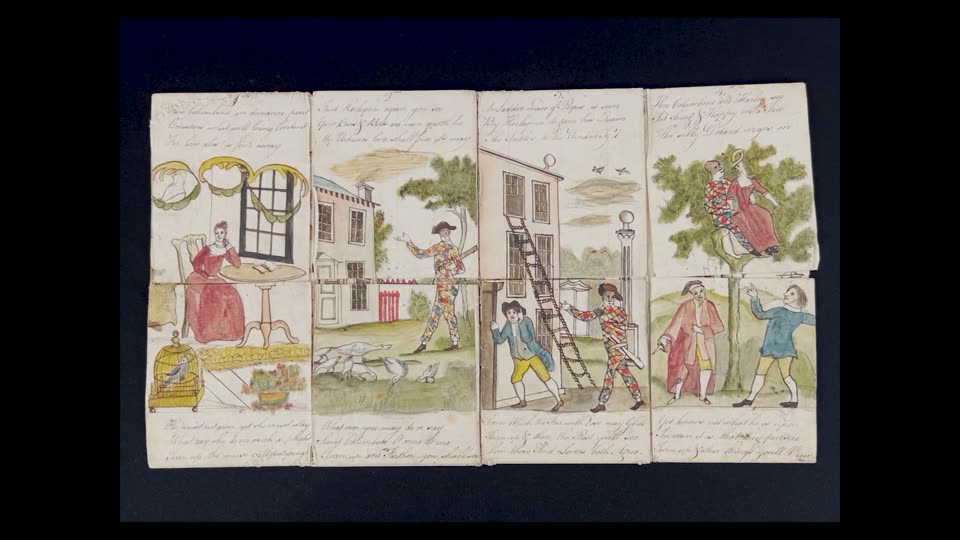
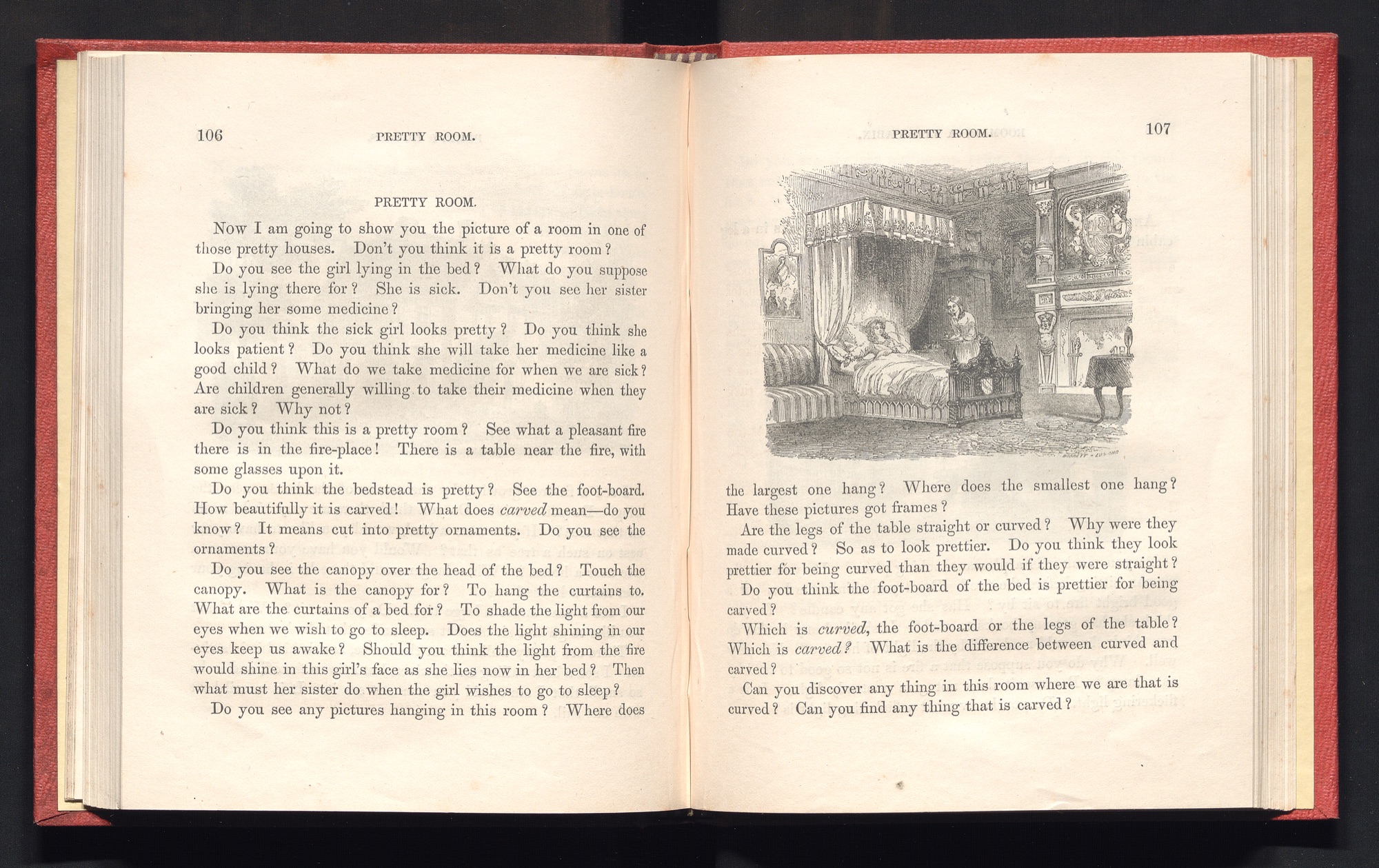
By the later 18th century, flap books with didactic, religious, allegorical, and entertainment agendas for their readers, such as American Quaker educator’s Benjamin Sands’s Metamorphosis, or A Transformation of Pictures, found their way across the Atlantic and into the hands of children and adults alike.
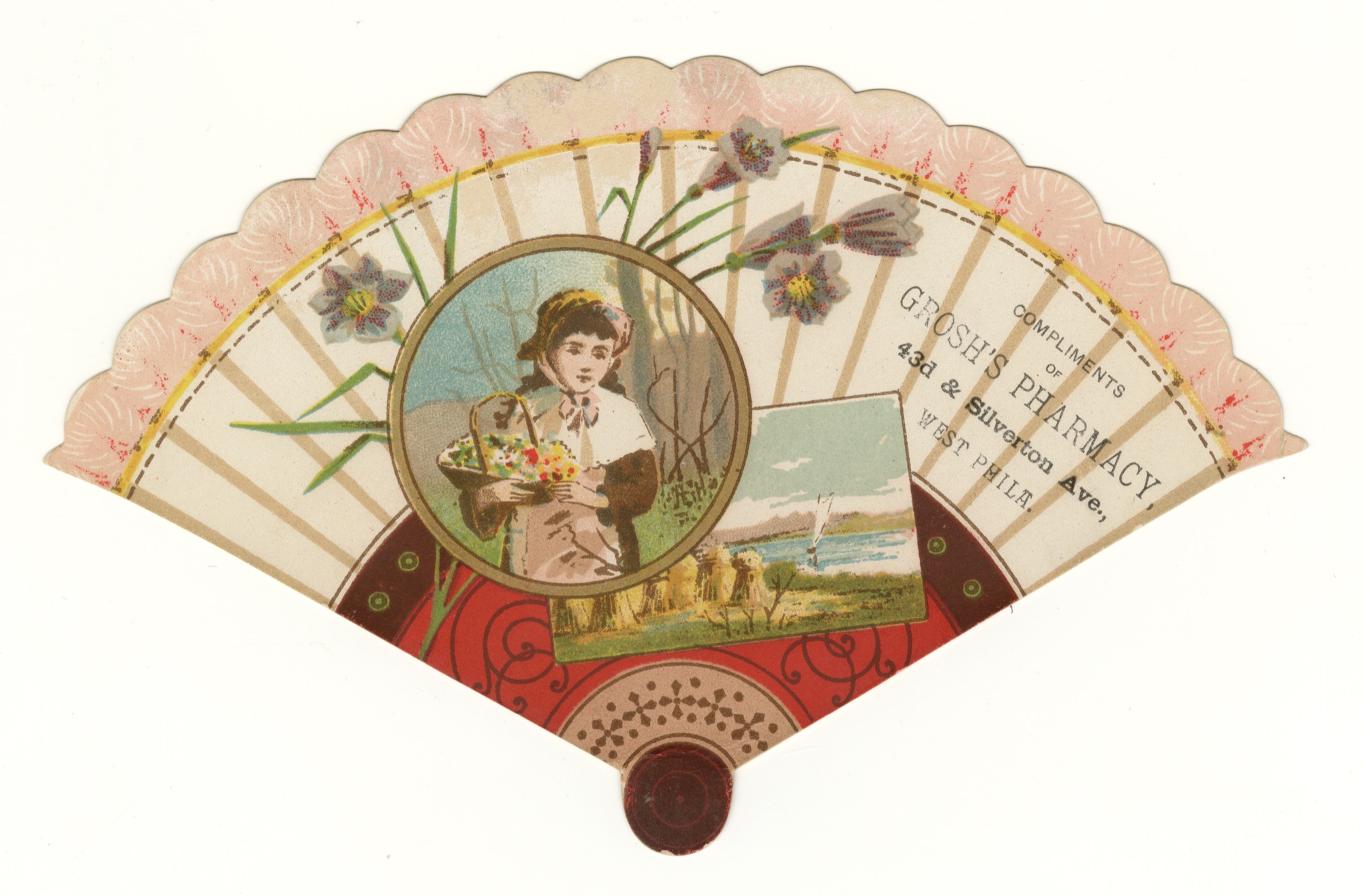
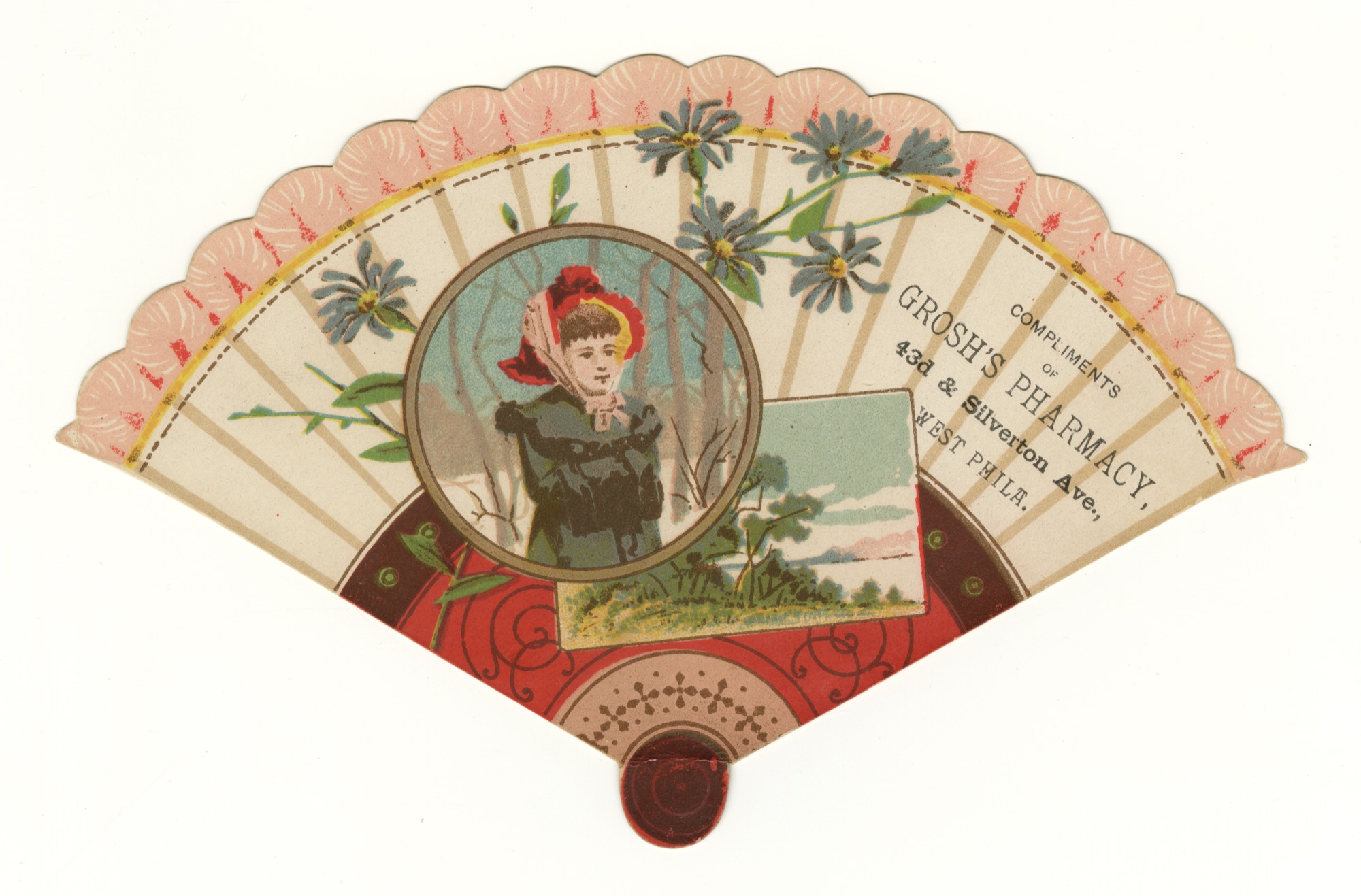
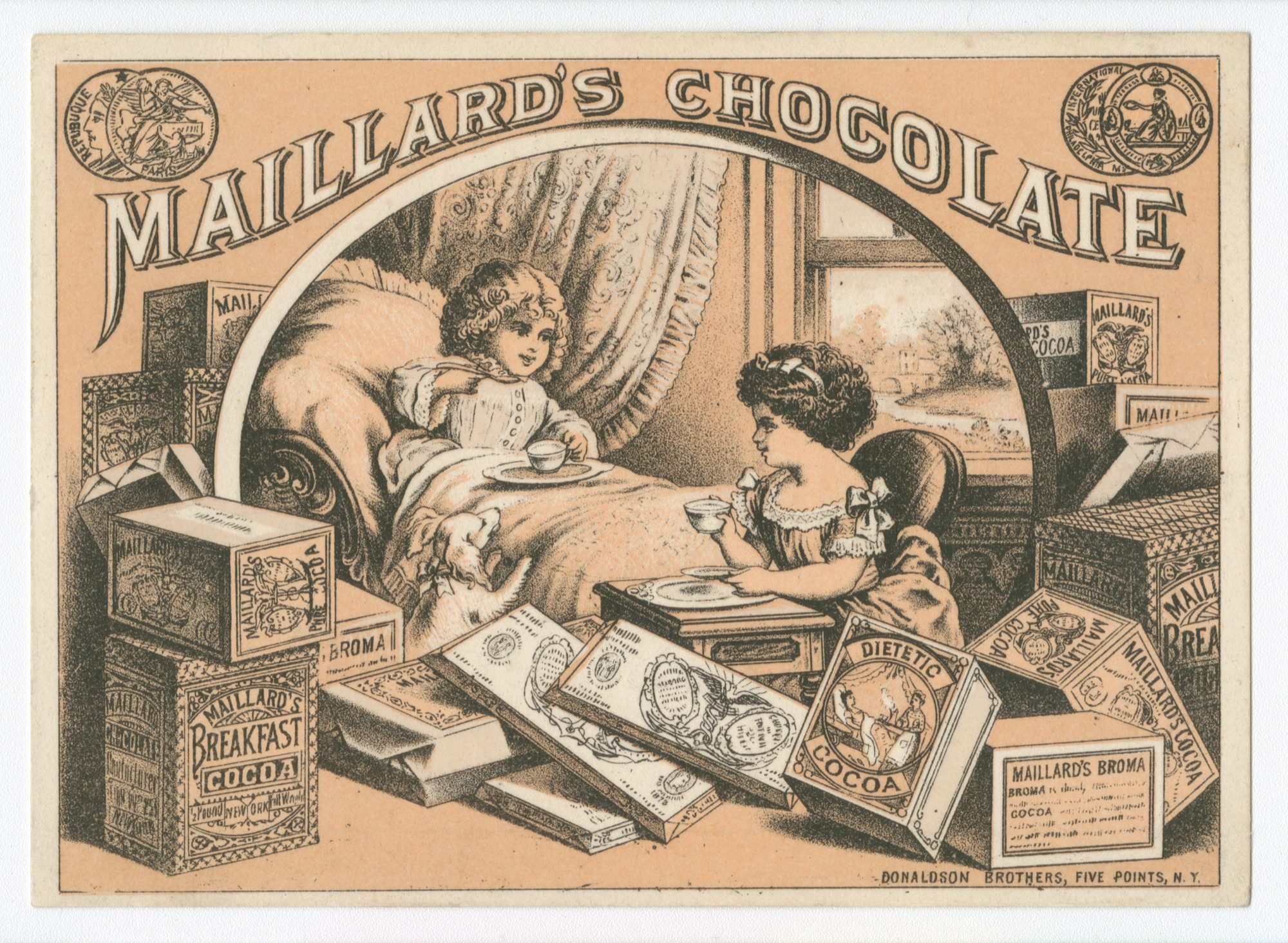
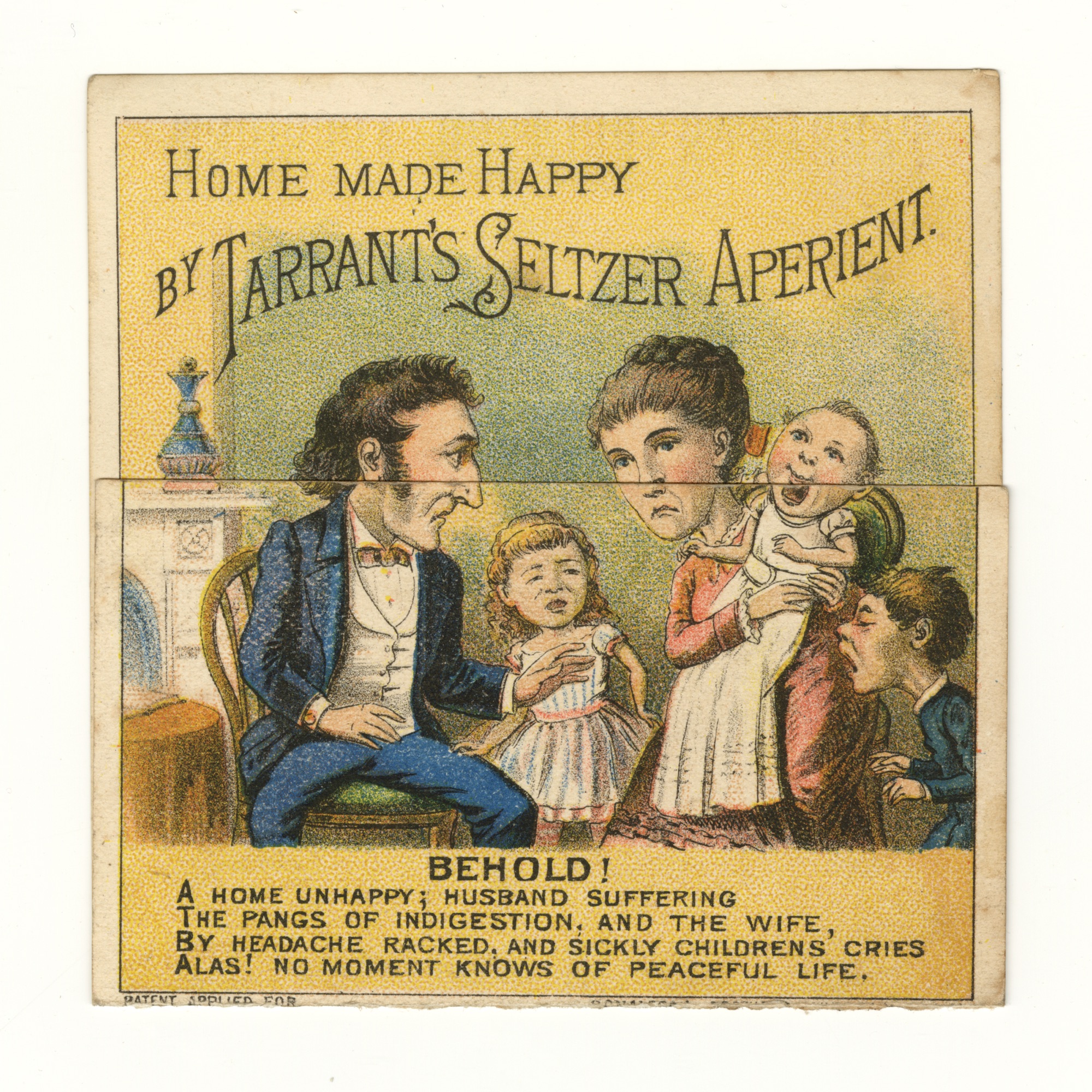
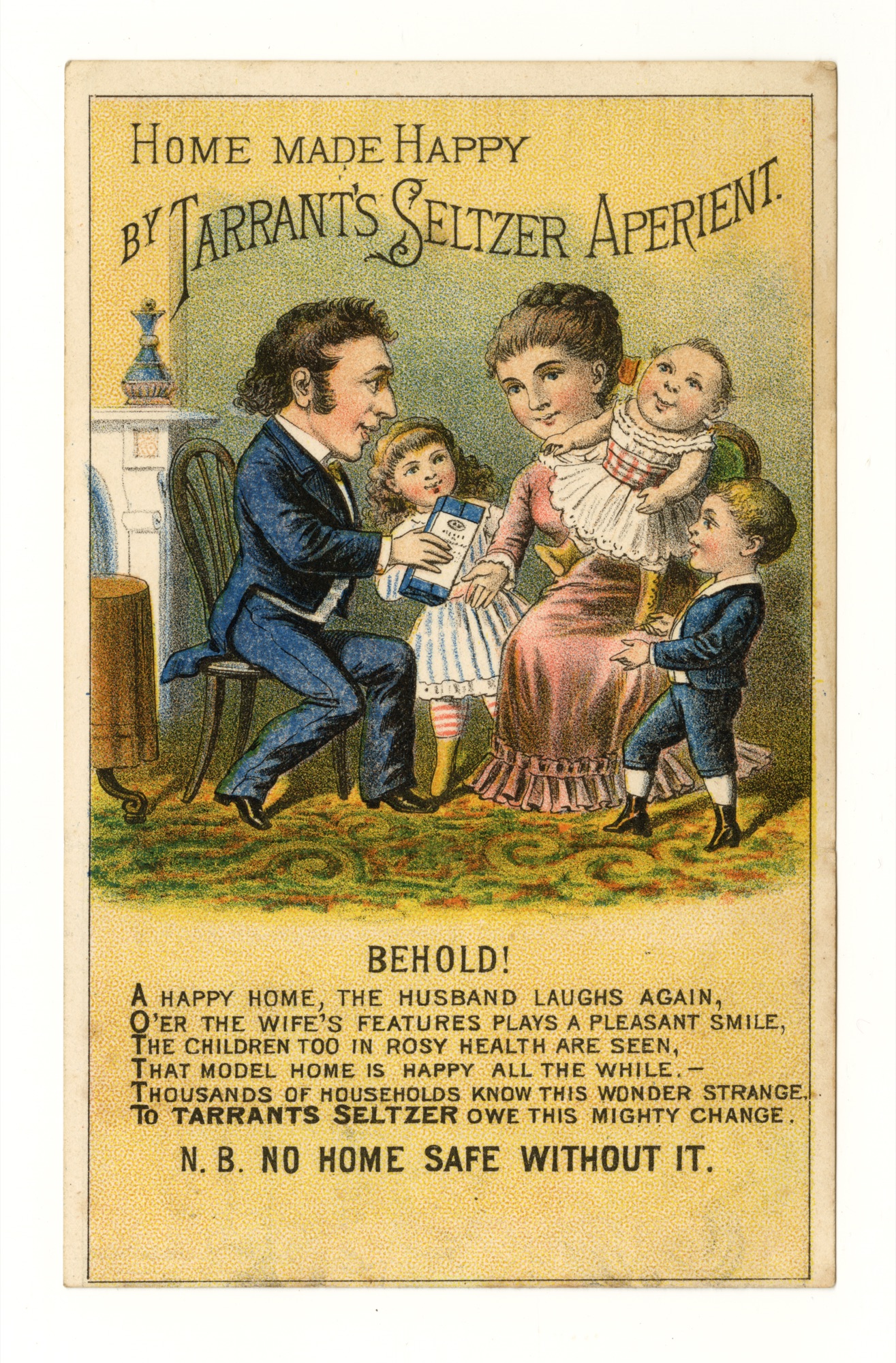
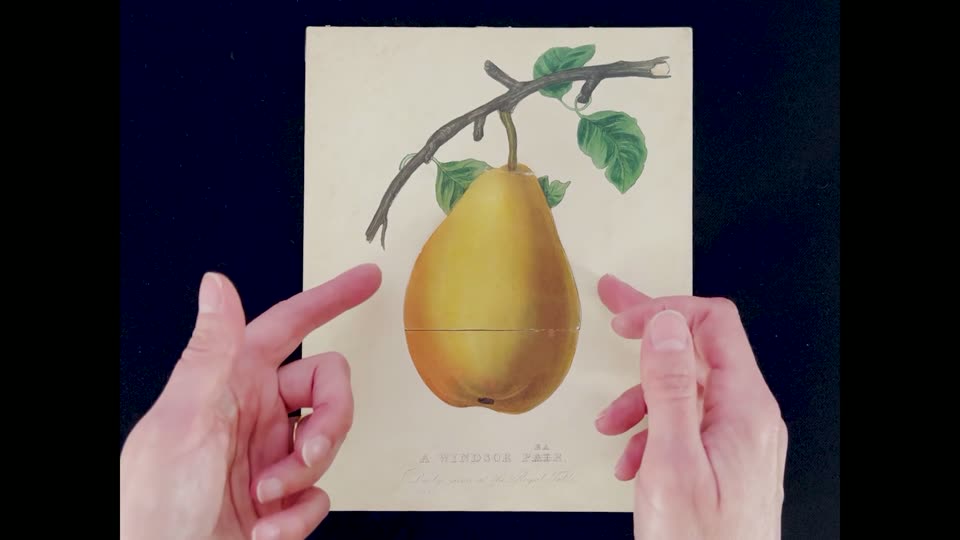
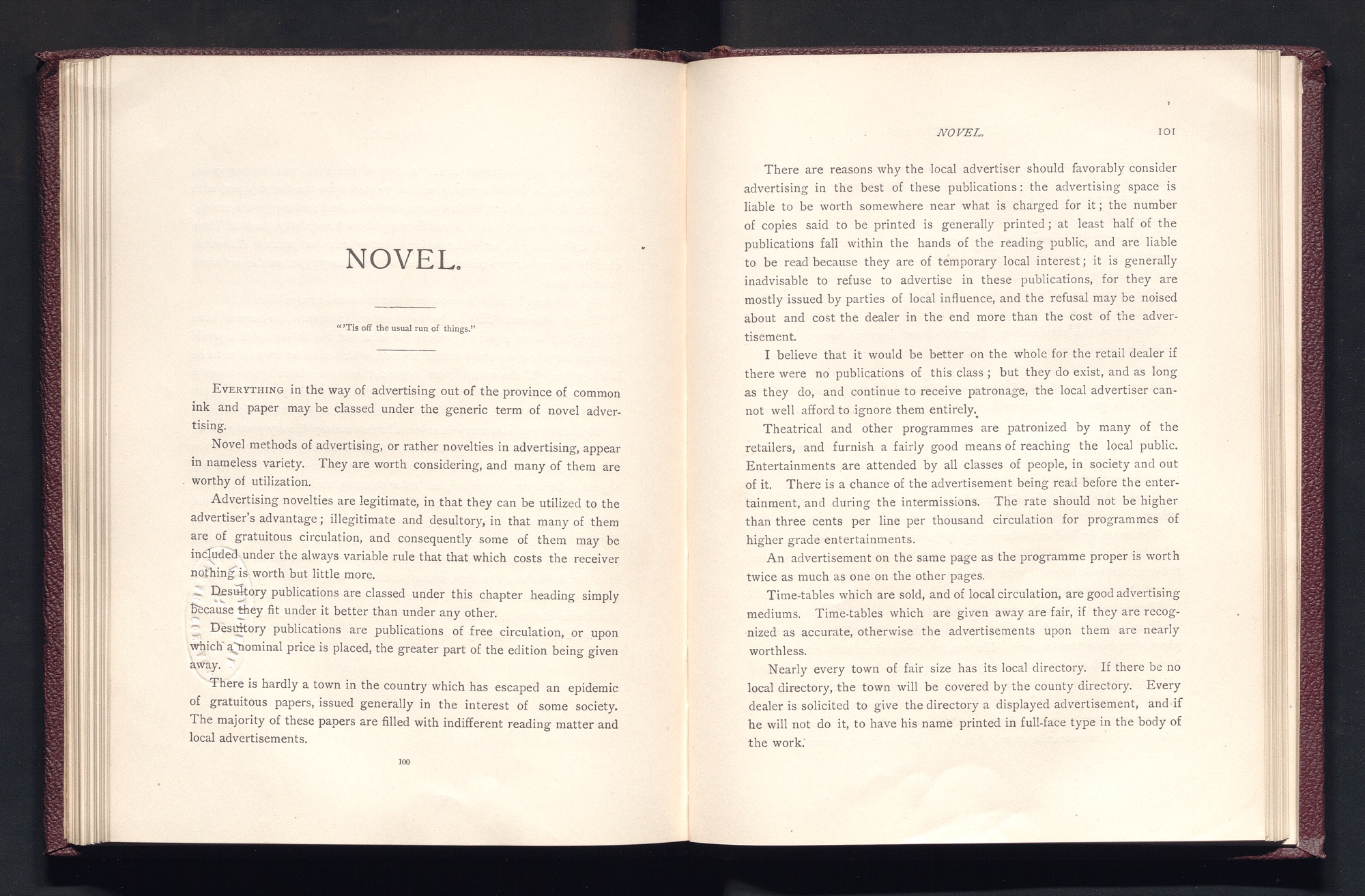
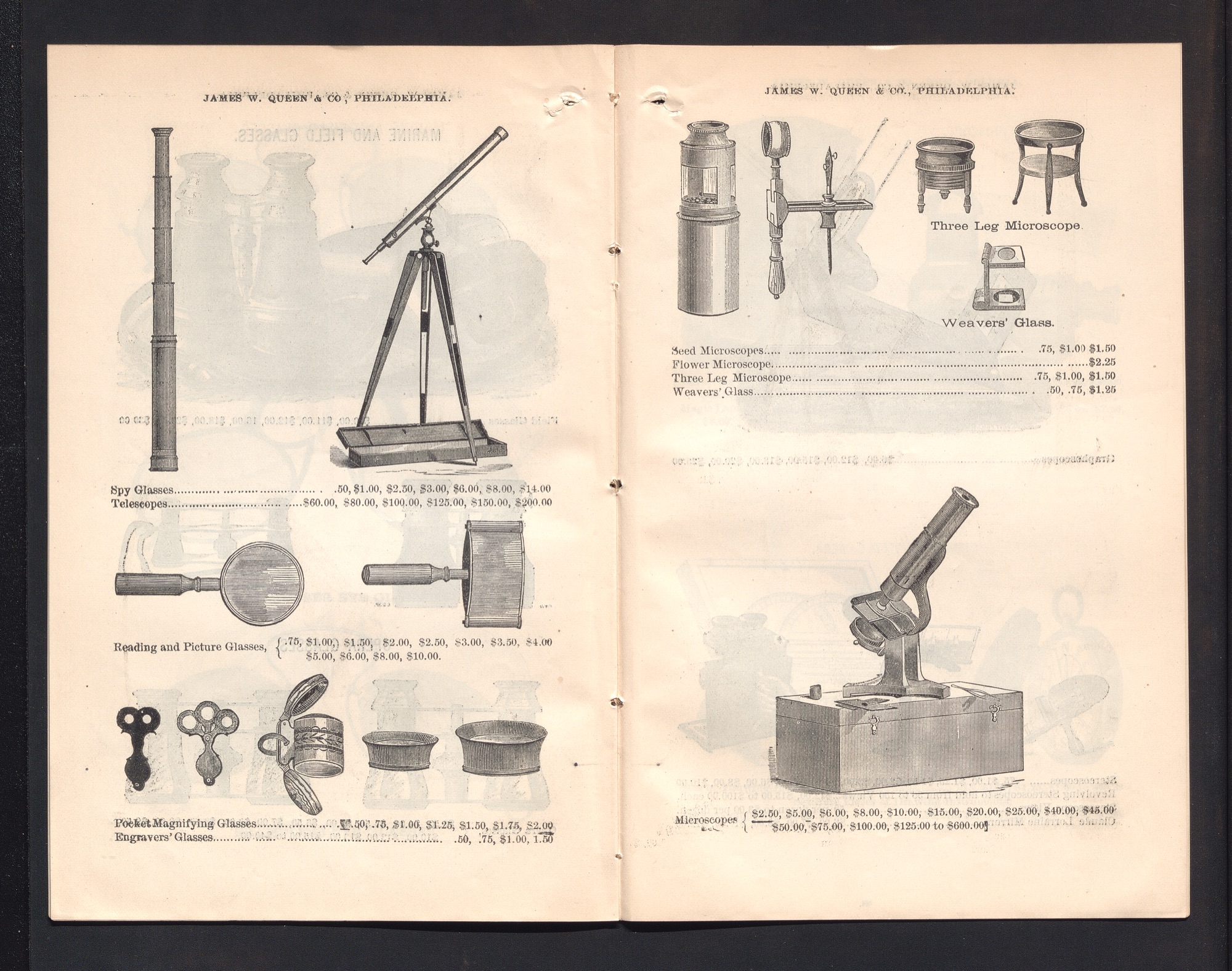
By the turn of the 20th century, metamorphic works predominated as novelties in advertising in addition to ones created as political propaganda that engaged and sought to persuade audiences of all ages through interplays of texts and images. The Staples Collection contains most of these genres of movables.