
Mellon Scholars Summer Program – Subject Guides
Arts as Abolition: 19th Century African American Women Using Creativity as Resistance


Overview:
This subject guide highlights the ways that some African American women abolitionists in 19th century Philadelphia, PA used their creativity as resistance against systemic injustice or in conjunction with their anti-slavery practices. Some of the women named in this guide were born into slavery or servitude, and Philadelphia was a place of freedom and expansion into themselves and their callings, while other women were born to free Black families who were known among the Black elite of the city. For this guide, the creative practices of the women refers to their engagement in book arts, performance, poetry, visual art, and/or writing.
 About the Author:
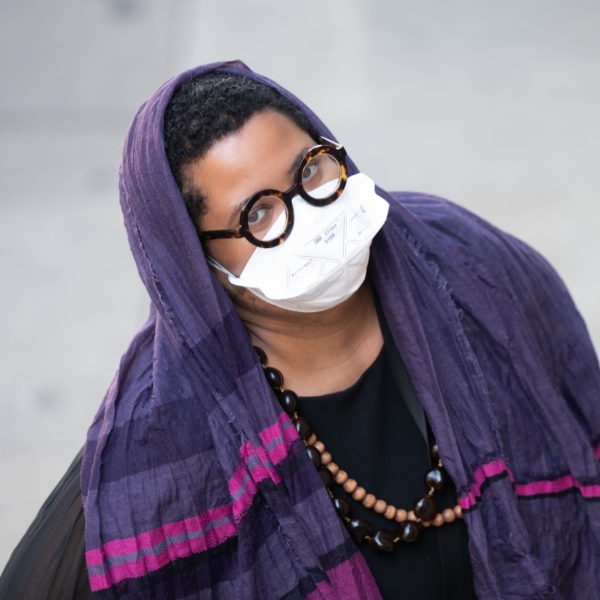
Wit López is an MDiv student at Princeton Theological Seminary. Their degree concentrations are Black Church Studies and Public Theology. Wit is a social change artist whose work centers access, community care, joy, and liberation for historically disenfranchised populations. Across disciplines, Wit’s research shines light on the ways that oppressed populations use art and craft to resist systemic injustice. Recently, they have developed a love for drawing nature with chalk, graphite, and pastels.
Keywords
Contributors or Organizations:
- Amy Matilda Cassey
- Ellen Craft
- Sarah Mapps Douglass
- Charlotte Forten Grimke
- Harriet Forten
- Margaretta Forten
- Sarah Forten
- Jarena Lee
- Philadelphia Female Anti-Slavery Society
Subject Headings:
- Abolitionists
- Abolitionists—United States
- Abolitionists—United States—History—19th century
- African American abolitionists
- African American women
- African American women abolitionists
- African American women in art
- Antislavery movements
- Antislavery movements—United States
- Antislavery movements—United States—History—19th century
- Cross-dressing
- Male impersonators
- Quaker abolitionists
- Slavery
- Women abolitionists
- Women abolitionists—United States
- Women, Black
Access Terms:
- Alba amicorum
- Album amicorum
- Albums
- Albums, Autograph
- Anti-slave trade literature
- Anti-slavery literature
- Libri amicorum
Annotated Bibliography
Amy Matilda Cassey, Friendship Album (Philadelphia, ca. 1833-ca. 1856).
This friendship album in the collection of the Library Company was started by African American woman abolitionist Amy Matilda Cassey. The book was passed around between her abolitionist friends and colleagues for their contributions: art, letters, poetry, etc. The intended audience was not originally meant to be the public, as this album was for Cassey’s friends and herself. The creative contributions to this volume by African American women abolitionists not only highlights the purpose of this subject guide, but was the inspiration as well.
Bogin, Ruth, and Bert James Loewenberg, editors. Black Women in Nineteenth Century American Life: Their Words, Their Thoughts, Their Feelings. The Pennsylvania State University Press, 1976.
In this edited collection by Bogin and Loewenberg, the pair bring together the narratives of and about African American women in the United States during the 19th century. Though it is not specifically about Philadelphians, the book contains profiles about Black women who lived in Philadelphia for some amount of time like Ellen Craft, Charlotte Forten Grimké, Frances Ellen Watkins Harper, Jarena Lee, and others. The intended audience is anyone with an interest in the lives of African American women during the 1800s.
Frances E. Watkins Harper, Sketches of Southern Life (Philadelphia, 1886). (From the Temple University Charles Blockson Collection)
Although she hailed from Baltimore, Maryland, Frances Ellen Watkins Harper was an African American woman abolitionist who spent a significant amount of her life in Philadelphia. In Sketches of Southern Life, which Harper wrote while in Philadelphia, the writer conjures Black southern life through the body of poetry found therein. The poems creatively explore the feelings and lived experiences that shape the lives of Black people in the United States south. The intended audience is any adult with the ability to read or listen to a book being read.
Lee, Jarena. “A Female Preacher Among the African Methodists.” African American Religious History: A Documentary Witness, edited by Milton C. Sernett, Duke University Press, 1999, pp. 164-184.
The inclusion of this written piece is inspired by the cohort’s visit to Mother Bethel AME Church. While this writing is more of an autobiographical essay with memoir components, it creatively archives a snapshot of the life of Jarena Lee, the first African American woman preacher in the African Methodist Episcopal church. Lee’s intended audience, at the time of writing this work, was fellow women, specifically of African descent, who she felt needed encouragement to follow their callings into ministry work.
Mark Menjivar, Eastern State Penitentiary Audio Tour: 93. DLP Mirror (Philadelphia, 2022).
This entry was inspired by the tour of Eastern State Penitentiary in Philadelphia. During the tour, as one visits Death Row they will hear piano music playing over speakers. This music is an installation by artist Mark Menjivar of a song written by an executed former Death Row inhabitant, David Lee Powell. In the Death Row audio tour, Menjivar states that he “[hopes] that David’s music will help us reflect on [David’s] humanity.” As with Menjivar’s hope, some of the Black women abolitionists in Philadelphia were also hoping that their creativity would provide them with access to humanity.
Martina Dickerson, Friendship Album (Philadelphia, ca. 1840-ca. 1846).
Martina Dickerson’s friendship album, much like the friendship albums of her sister Mary Anne and fellow Philadelphian Amy Matilda Cassey, capture a snapshot of Martina’s social life as a young person. This album also contains writing and illustrations from known abolitionists, like Sarah Mapps Douglass and others. The expected audience is Martina and other contributors to the album.
Mary Anne Dickerson, Friendship Album (Philadelphia, ca.1833-ca. 1882).
The friendship album of Mary Anne Dickerson contains creative contributions from family, abolitionist friends, and community members. As a social autograph book of the time, this album, along with others, offer a glimpse into Dickerson’s personal experiences and network. Within the Library Company’s collection, this volume mirrors the friendship albums of Amy Matilda Cassey and Martina Dickerson.
Newman, Richard, and James Mueller, editors. Antislavery and Abolition in Philadelphia: Emancipation and the Long Struggle for Racial Justice in the City of Brotherly Love. Louisiana State University Press, 2011.
Published in 2011, Antislavery and Abolition in Philadelphia: Emancipation and the Long Struggle for Racial Justice in the City of Brotherly Love, brings together informative essays by nine historians, calling attention to the depth of antislavery work that found its home in Philadelphia. In one essay, by historian Heather S. Nathans, the reader is introduced to performance as a space for pro-and anti-slavery sentiments through theatrical productions. While this essay does not specifically focus on African American women in Philadelphia, it can be related to the drag performance of Ellen Craft in her quest for liberation from enslavement.
Sarah Mapps Douglass, Honeysuckle (Philadelphia, ca. 1845). Watercolor, graphite, and colored pencil. Gift of William Woys Weaver.
The mixed media illustration of a Honeysuckle flower is the creative work of African American educator, abolitionist, and Quaker Sarah Mapps Douglass. This work is similar to some of the drawings of flowers and nature that she shared in the friendship albums of fellow abolitionists Martina and Mary Anne Dickerson and Amy Matilda Cassey.
William Craft, Running a Thousand Miles for Freedom; Or, The Escape of William and Ellen Craft from Slavery. (London, 1861).
William Craft pens this book outlining the creative performance of his wife Ellen and himself as they left Macon, Georgia and headed to Philadelphia, Pennsylvania. In the book, Craft explains how his wife took on the role of a disabled, white male enslaver and he pretended to be someone she had enslaved. Ellen’s convincing gender-swapped performance and William’s performance of a very attentive and caring worker allowed the two of them to ride the rails to freedom. While they did not begin their journey as abolitionists in Philadelphia, their own antislavery beliefs fueled their risky and creative self-emancipation in Philadelphia

