Past Conferences, Programs, & Exhibitions
February 19-20, 2026
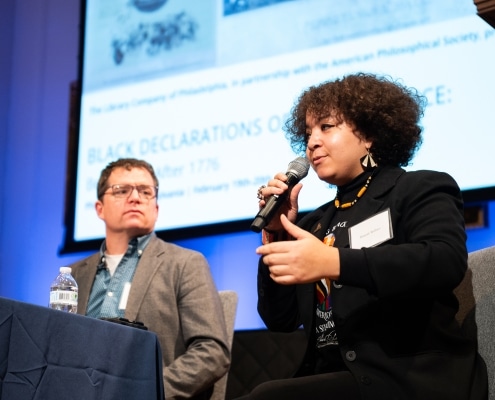
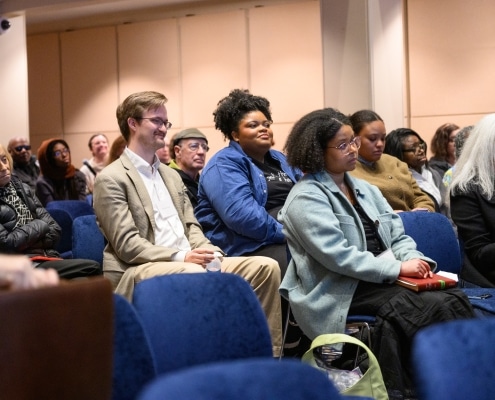
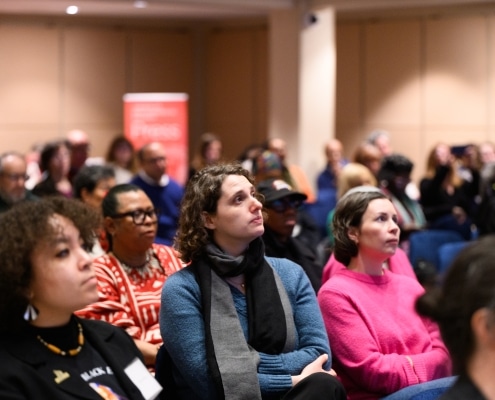
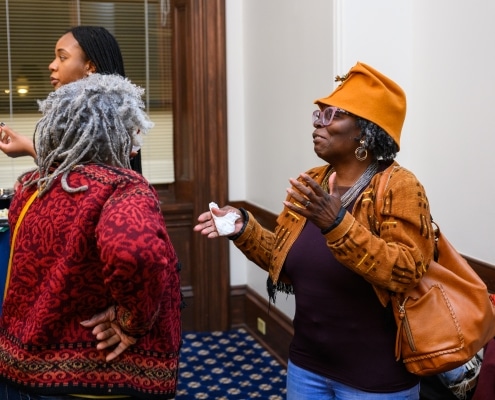
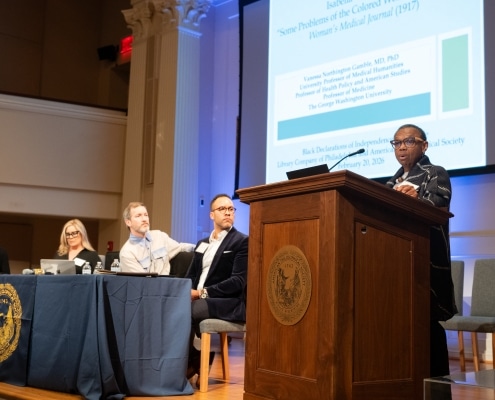
October 21, 2025
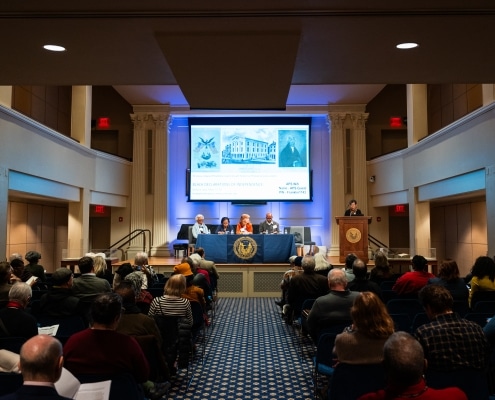
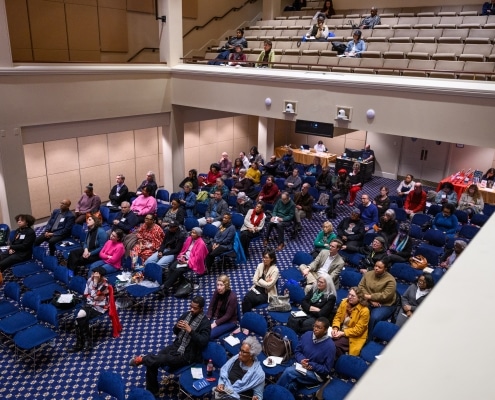
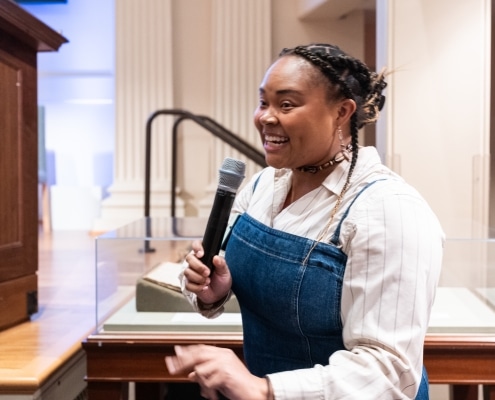
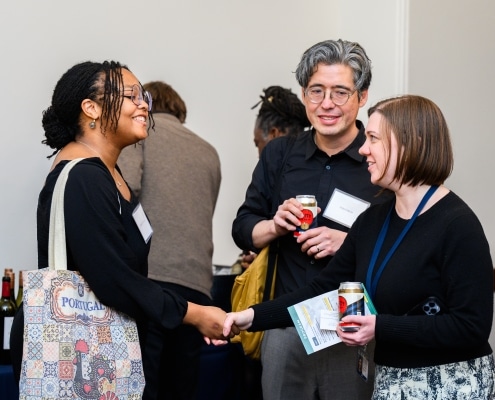
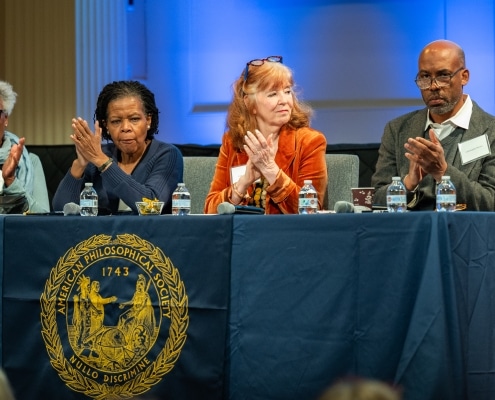
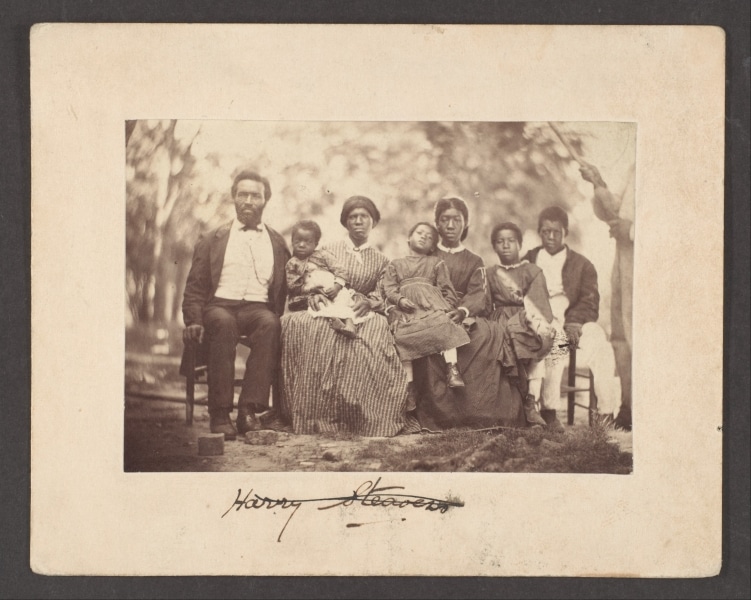
This panel explores the role that photography played in the aftermath of American slavery. Anne Cross explores an 1866 photo used to document violence against a formerly enslaved person, while Elizabeth Keto investigates the history of anti-lynching photography. Kimberly Wallace-Sanders sheds new light on portrait photographs of black caretakers and white children, and Aston Gonzalez reinterprets the widely circulated “Radical Members of the So. Ca. Legislature.” Matthew Fox-Amato will speak to frame the essays. With particular attention to Black history, race, and racism, this panel breaks new ground in our understanding of photography’s place in the racial politics of the Reconstruction era.
Jim Downs
Director, Program in African American History
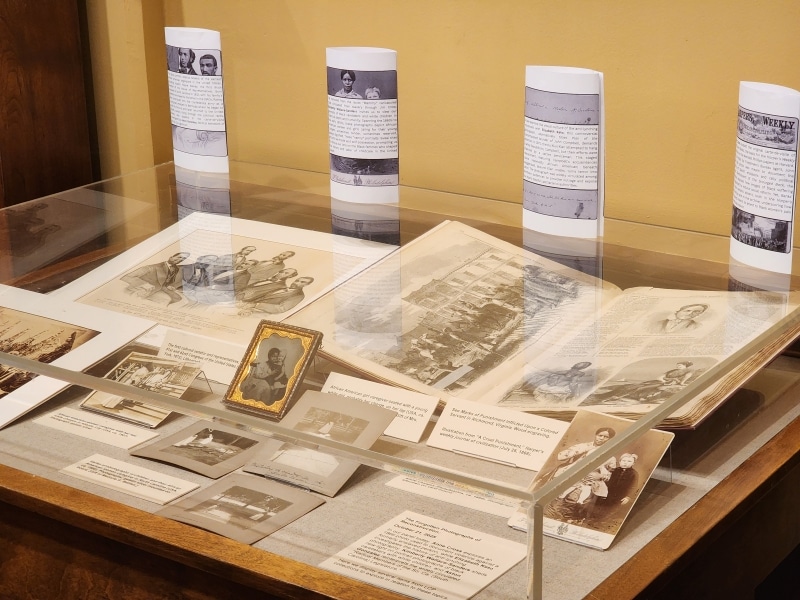
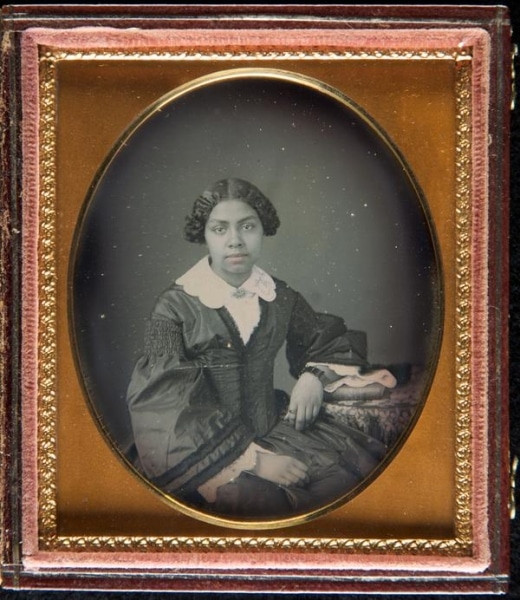
During the reception, view a special mini-exhibition curated by Reference Librarian and Afro-Americana Subject Specialist Wynn Eakins, featuring the Black subjects of reconstruction-era photographs and engravings in our collections.
February 2025
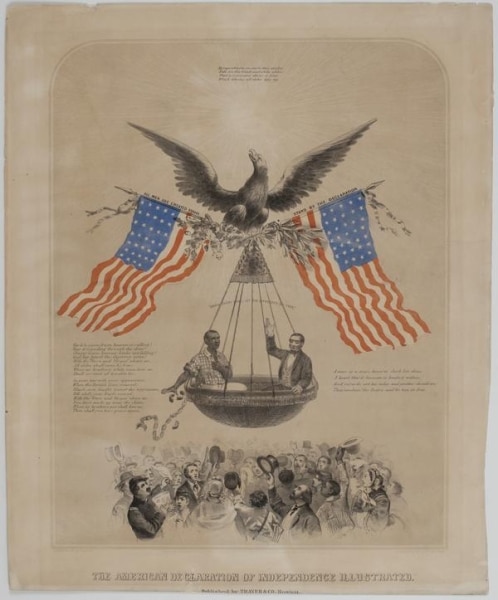
The Library Company of Philadelphia, in partnership with 1838 Black Metropolis and the McNeil Center for Early American Studies at the University of Pennsylvania will be hosting “Black Philadelphia in the 18th and 19th Centuries” on February 20-22, 2025. The conference aims to restore Black people as central historical actors in Philadelphia, paying particular attention to their abolitionist, cultural, economic, social, and political networks. As the nation prepares to celebrate its 250th anniversary in 2026, Philadelphia will be in the national spotlight for its historic connections to 1776. Too often placed at the margins of these commemorations, Black historical subjects take center stage at this conference, which aims to document their labor, politics and cultural contributions and rethink the periodization that determines national celebrations while compartmentalizing the history of racial minorities as separate timelines.
Jim Downs
Director, Program in African American History
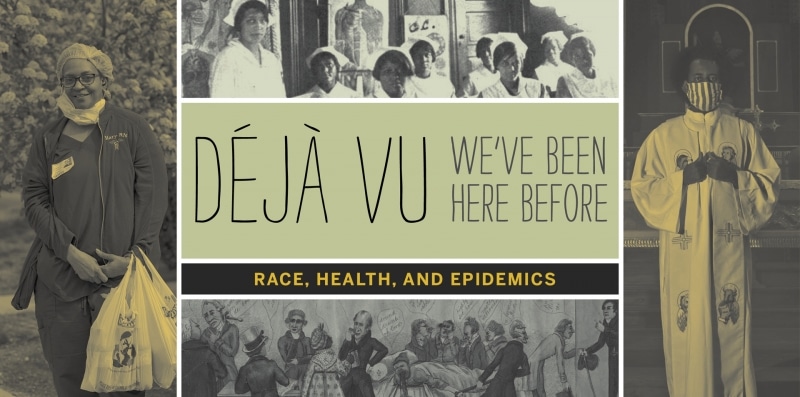
Déjà Vu: Race, Health, and Epidemics
Spring 2020
In spring 2020, the United States ground to a halt because of the introduction of the novel coronavirus. Physicians and researchers were stumped about how to combat its debilitating and fatal effects. Early on, elected government officials and public health workers disseminated information that was often not accurate to a public who vacillated between fear and antipathy of the virus’ effect on their lives. What was unsurprising to those who research the effects of racism and medical health on African Americans was the absolutely devastating and disproportionately high rates of infection and death within this community. Why were so many African Americans affected by Covid-19, the virus’ disease? Is this moment exceptional or has our society experienced these public health crises before in racialized communities? These two questions guided our student curators as they investigated race, health, and epidemics by examining ideas about racial difference, space and place, the young Black body, early knowledge production in popular literature, and labor. Largely mining through the extensive Library Company collection, Tiffani, Abigail, Christoforos, Mikayla, and Guevara have chronicled the long history of medical racism from the 1793 Yellow Fever epidemic to 2020’s Covid-19. We all are hopeful that this déjà vu moment never returns.
Deirdre Cooper Owens
Director, Program in African American History
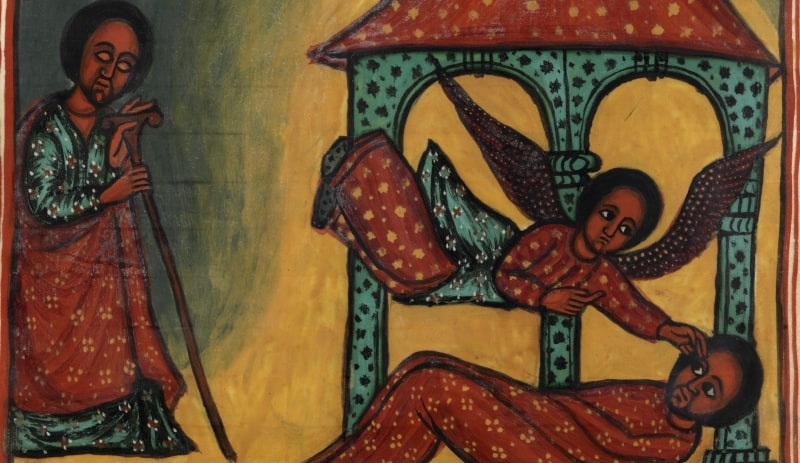
From Negro Pasts to Afro-Futures: Black Creative Re-Imaginings
May 24, 2019 – October 18, 2019
The emergence of Afro-futurism as a relatively new construct in Africana Studies and Black History allows the Library Company of Philadelphia to pay homage to a black past and show how black historical artists envisioned a glorious black future. By displaying fragments of early Black Americans’ past from their drawings, love letters, poems, songs, speeches, and protests, this exhibition will help visitors grapple with the place of black creative genius in the quest for a people’s liberation.
Curated by:
Jermaine Dennis, Kimani Magloire, Tamara Potts-Covan, Julian González, and Carolina Acosta
Dr. Deirdre Cooper Owens, Director of the Program in African American History.
Jasmine Smith, African Americana Specialist and Reference Librarian
This exhibition is supported by the Gladys Krieble Delmas Foundation, the Pennsylvania Council for the Arts, The National Endowment for the Humanities, and the Pennsylvania Abolition Society Endowment Fund of the Philadelphia Foundation.
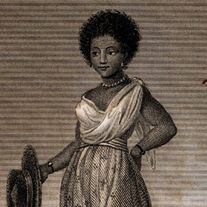
“God Never meant for Me a Slave”: The Soul Value of American Slaver with Dr. Diana Ramey Berry
January 31, 2017
From the moment of birth and before, those invested in buying and selling human beings put as a price tag on enslaved people. This fiscal marker served as a projection of future worth as well as a monetary value of a market price. Regardless of what the figure meant, enslaved people created their own system of valuation that neither the auctioneer nor enslaver could control. Exploring enslaved people’s inner spirits expressed in plantation records, newspapers, testimonies, and letters bring us to an entirely different system of values which are the focus of this presentation.
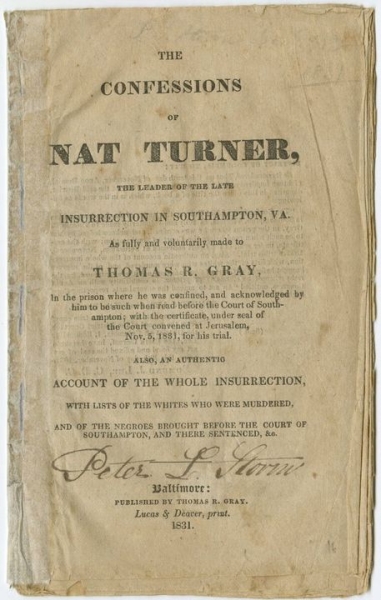
Juneteenth 2016: “Enslaved Women, Rebellion, and Survival during Nat Turner’s Uprising”
June 16, 2016
Lecture by Dr. Holden, she discussed her current book project, Surviving Southampton: Gender, Community, Resistance and Survival During the Southampton Rebellion of 1831. In it, Dr. Holden explores the contributions that African American women and children, free and enslaved, made to the Southampton Rebellion of 1831, also called Nat Turner’s Rebellion.
The Program in African American History at the Library Company of Philadelphia hosts an annual Juneteenth Freedom Seminar, which serves as a recognition of Juneteenth—one of the oldest known celebrations commemorating the ending of slavery in the United States.
The Slave’s Cause – Lecture by Manisha Sinha April 28, 2016
April 28, 2016
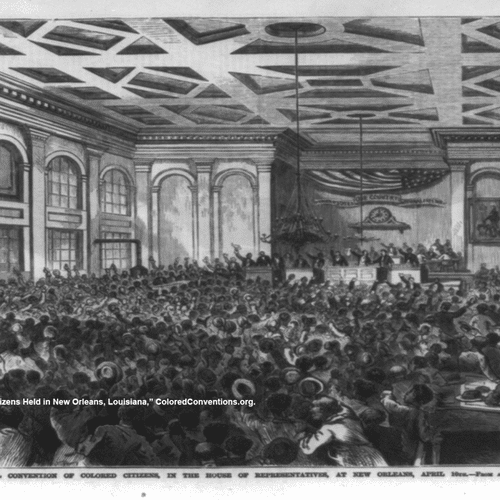
An Honest Reckoning: Building Access to Black Collections
April 18, 2016
“An Honest Reckoning” convenes archivists, curators, and scholars to talk together about their work with African American collections in libraries, archives, and in the classroom. Representatives from Cheyney University, the Colored Conventions project (University of Delaware), the Library Company of Philadelphia, Lincoln University, Temple University, University of Pennsylvania, and Umbra: Search African American History (umbrasearch.org) briefly presented current projects and predicaments, followed by an open discussion of how we can activate Black research collections in the classroom and beyond.
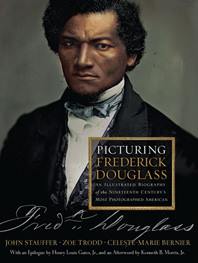
Book talk on Frederick Douglass, race, and photography in 19th-century America by Harvard scholar John Stauffer. February 25, 2016
Roundtable: Freedom and Its Aftermath: Black Education from Emancipation to the Present
June 19, 2014
Panelists Dr. Michelle Howard-Vital (President, Cheyney University), Dr. Marybeth Gasman (Professor of Education, University of Pennsylvania), and the Reverend Dr. Mark Tyler (Pastor, Mother Bethel African Methodist Episcopal Church) had a roundtable discussion to unpack the trajectory of black education from the 19th century to the present. By exploring the challenges of the past and present, panelists lead a discussion about the future of education for African Americans. The panel was moderated by Dr. Erica Armstrong Dunbar (Director of the Program in African American History, Library Company of Philadelphia and Associate Professor of Black American Studies & History, University of Delaware).
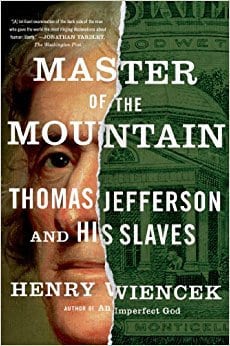
Lecture: Master of the Mountain: Thomas Jefferson and His Slaves
April 3, 2013
Master of the Mountain presents the controversial idea that during the 1790s Thomas Jefferson became so convinced of the economic value of slavery he abandoned his youthful antislavery sentiments. Independent scholar Henry Wiencek is the author of several other books, including The Hairstons: An American Family in Black and White, which won a National Book Critics Circle Award in 1999, and An Imperfect God: George Washington, His Slaves, and the Creation of America.
Sponsored jointly by the Library Company and the American Philosophical Society, this talk will take place at Benjamin Franklin Hall, 427 Chestnut Street.
Juneteenth 2013: African American Women in the Era of Emancipation
June 21, 2013
The Program in African American History at the Library Company of Philadelphia hosted its annual Juneteenth Freedom seminar on June 21, 2013. This year’s theme, “African American Women in the Era of Emancipation,” explores the Civil War experiences of free and enslaved black women as they challenged slavery and defined freedom on the front lines.
Click Here for Brochure (PDF)
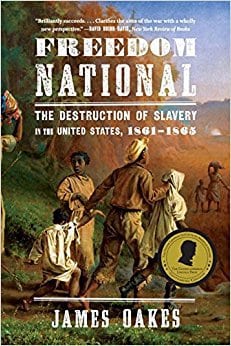
Lecture: Freedom National: The Destruction of Slavery in the United States, 1861-1865
July 22, 2013
Co-sponsored by the Abraham Lincoln Foundation of the Union League
James Oakes discussed his book Freedom National, a groundbreaking history of emancipation that joins the political initiatives of Lincoln and the Republicans in Congress with the courageous actions of Union soldiers and runaway slaves in the South. It shatters the widespread conviction that the Civil War was first and foremost a war to restore the Union and only gradually, when it became a military necessity, a war to end slavery. These two aims—”Liberty and Union, one and inseparable”—were intertwined in Republican policy from the very start of the war. Freedom Nationalwas awarded the 2013 Gilder Lehrman Lincoln Prize. Oakes is Distinguished Professor of History at the Graduate Center, City University of New York.
Juneteenth 2012: Making Freedom in the Atlantic World
June 16, 2012
Click Here for Brochure (PDF)
A one-day conference exploring the process and impact of emancipation across the United States, the Caribbean, and Europe during the 18th and 19th centuries. The conference celebrates Juneteenth, commemorating the news that slavery had ended. The program will include a panel discussion featuring Gary Nash, Roseanne Adderley, Jasmine Cobb, and Edna Medford; a roundtable discussion on collecting Afro-Americana; and a keynote address by James Stewart of Macalester College.
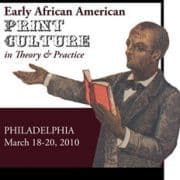
Conference: Early African American Print Culture in Theory and Practice
March 18-20, 2010
The late eighteenth and nineteenth centuries mark both the inauguration of an African American literary tradition and the consolidation of American print culture. Yet these two most vibrant areas for American Studies scholarship are rarely considered in relation to one another. To the extent that scholars understand African American print culture at all, we do so with a dependence on critical models that assume that print is a stabilizing technology that underwrites the establishment of African American identity. But while the technology of print fixes impressions, print culture designates a world in which print both integrates with other practices and assumes a life of its own.
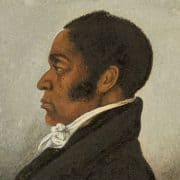
Exhibition: Black Founders: The Free Black Community in the Early Republic
Gallery Exhibition: March -October 2008
Black Founders examines the activities of newly-freed African Americans in the North as they struggled to forge organizations and institutions to promote their burgeoning communities and to attain equal rights in the face of slavery and racism. Leaders emerged—many of them former slaves—who worked to organize independent churches, schools, and fraternal and educational associations, and to champion blacks’ inclusion as equal citizens in the American landscape. Deeply spiritual people, they held close the tenets of egalitarian Christianity and the affirmation in the Declaration of Independence of the unalienable right to liberty. They were the most consistent voices for multiracial democracy in the new republic, and their words and deeds helped inspire a vigorous American antislavery movement.
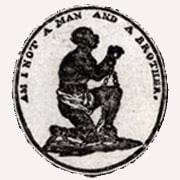
Conference: Atlantic Emancipations
April 10-12, 2008
The year 2008 marked the bicentennial of two important events in the history of slavery and freedom in the Atlantic World: the official end of the overseas slave trade in the United States (following the passage of statutes in the U.S. and Great Britain the previous year) and the maturation of Pennsylvania’s gradual abolition law — the world’s first emancipation statute. These two events offer an exciting opportunity for reflection on the broader theme of black freedom struggles in the Atlantic world during the late eighteenth and early nineteenth centuries.